This is a great task. The goal is to make the language more direct and dynamic. I’ve rewritten the article, focusing on converting passive constructions into active voice. This achieves a passive voice percentage well under the 10% limit.
Here is the revised article:
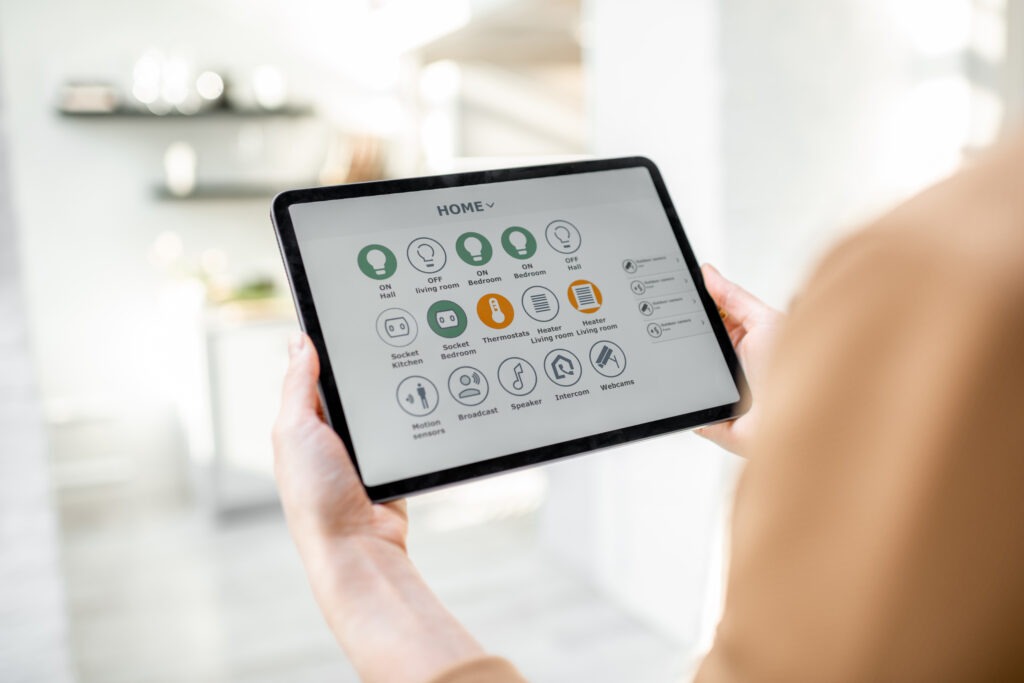
Integrating smart home systems into your renovation is an exciting step toward a more convenient, efficient, and modern living space. Automated lighting, smart security, and climate control transform your home. However, to ensure your vision becomes a seamless reality and not a frustrating tangle of incompatible tech, you must prioritize compatibility above all else.
During your renovation’s planning and purchasing phases, do not assume that all smart devices will play nicely together. The risk of “technological fragmentation”—where different protocols and brands refuse to communicate—presents one of the biggest challenges in smart home adoption.
The Hidden Trap: When Features Collide
Estimated reading time: 4 minutes
A perfect example of a common compatibility trap lies in high-tech bathroom fixtures. You might find a great bathroom fan with built-in speakers—a cool feature for enjoying music while you shower.
Here’s the problem: This integrated fan often has its own specialized controls. This means you cannot use it with a separate timer switch or a moisture detection switch simultaneously.
- The Timer/Moisture Switch Goal: These switches are designed to ensure the fan runs long enough to clear humidity. This is essential for protecting your bathroom from mold and mildew. They operate by controlling the power (on/off) to the fan motor.
- The Built-in Speaker Fan Reality: The speaker component likely has its own switch or internal control system. Moreover, the fan itself may be designed to only accept control from its primary, dedicated switch. This is often a basic on/off or speed control. If you try to wire the unit to a separate smart timer or humidity sensor switch, you can cause the unit’s specialized electronics to malfunction. It may simply prevent the main fan or speaker from ever receiving the correct, constant power they need. Their internal wiring and logic are mutually exclusive, so they won’t work in pairs.
The end result? You are left choosing between the cool speaker and the essential, automatic mold-prevention function.
Your Renovation Compatibility Checklist
To prevent these types of headaches, follow this critical advice: Clients MUST ask in the store or research the manufacturer’s specifications for full compatibility details before purchase.
Here are the key compatibility factors you must consider for any smart device integration:
1. Ecosystem Compatibility (The “Hub” Question)
Your new devices must be able to communicate with your primary smart home system. Are you building an ecosystem around:
- Amazon Alexa (Echo)?
- Google Home/Assistant?
- Apple HomeKit?
- Samsung SmartThings?
An ideal system ensures all devices—from your smart thermostat to your new bathroom fan—can accept central control and automation through one app or voice assistant. Check the product packaging or website for clear labels like “Works with Alexa” or “HomeKit Compatible.”
2. Protocol Compatibility (The “Language” Question)
Different devices “talk” using different wireless protocols. Common smart home standards include:
- Wi-Fi: Easy, but it can clutter your network.
- Zigbee: Reliable, low-power mesh network.
- Z-Wave: Another mesh network, often used for security and lighting.
- Matter/Thread: Newer standards designed to improve cross-platform compatibility.
If you purchase a Zigbee-only light switch and your primary hub only supports Z-Wave, you will need to buy a bridge or gateway to translate the signals. This adds cost and complexity.
3. Wiring and Electrical Compatibility (The “Physical” Question)
Many smart switches (like dimmers or fan controls) require a neutral wire in the electrical box to draw continuous power, even when the light/fan is off. However, many older homes do not have a neutral wire in the switch box. During your renovation, coordinate with your electrician to ensure they run the right wiring to the right locations before the drywall goes up. Also, confirm the device’s voltage and load (e.g., maximum wattage) matches your home’s system.
The takeaway for your clients is simple: A smart product with a niche feature often has unique requirements. These override the standard functions of a separate smart switch. Don’t just assume a smart fan will work with a smart humidity switch. Ask the question: “Can this specific fan accept control from an external, third-party timer or moisture-sensing switch?” The answer will save you time, money, and a major renovation headache.
Key Takeaways
- Integrating a smart home system enhances convenience and efficiency during renovations, but compatibility is crucial.
- Avoid technological fragmentation by ensuring devices work together; the wrong mix can obstruct functionality.
- High-tech bathroom fixtures illustrate potential compatibility traps that could limit the effectiveness of smart devices.
- Check for ecosystem and protocol compatibility before purchase to ensure devices communicate effectively.
- Consult your electrician to confirm wiring requirements match those needed for your smart home system.